

The Wooden Wonder Doctrine
Why a wooden bomber from 1941 still describes how we teach personal protection in 2026. A look at the Mosquito philosophy behind Beyond the Holster.
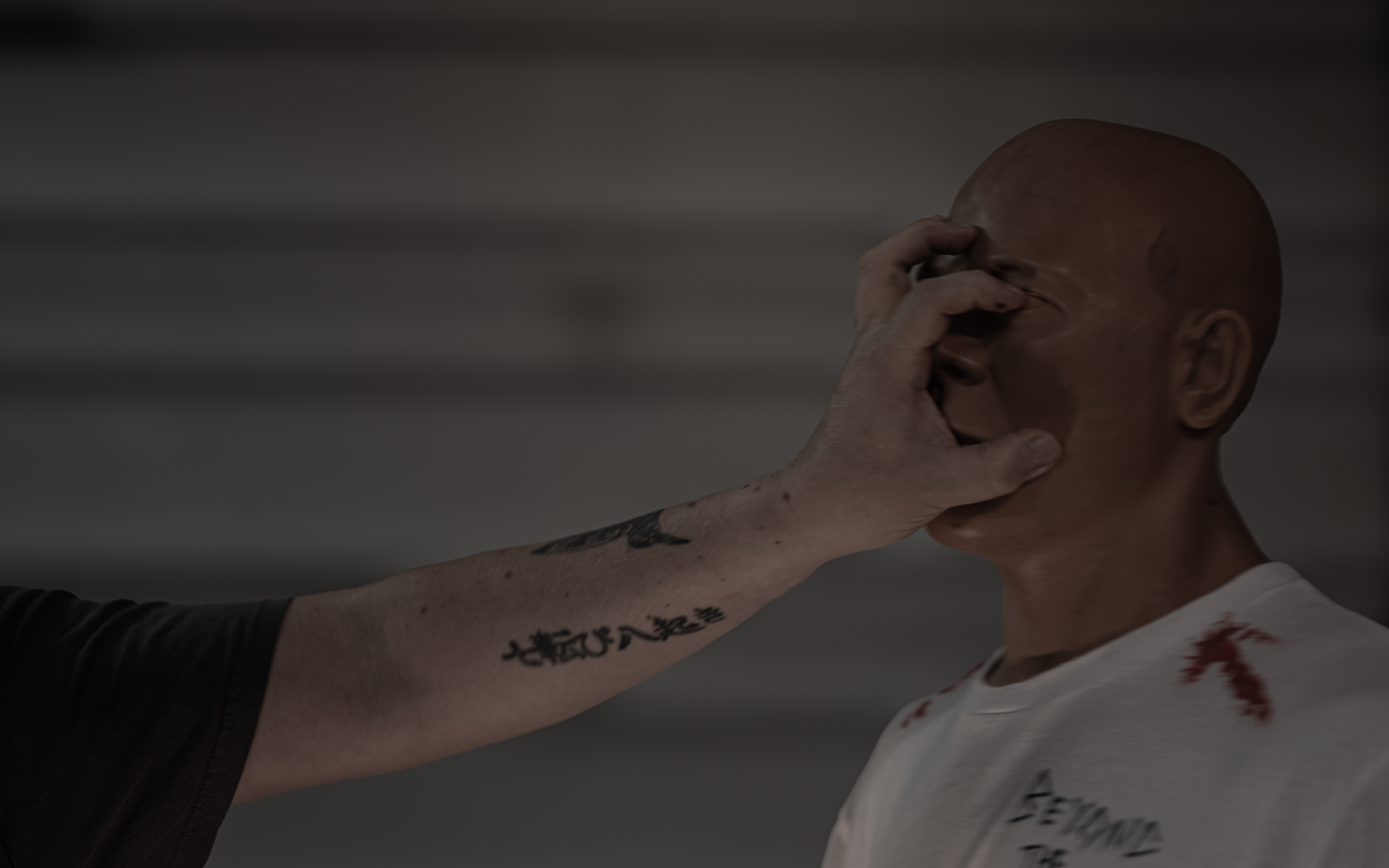
What Beyond the Holster Actually Looks Like
A walk-through of the weekend, hour by hour, so you know exactly what you're signing up for.
The biggest hesitation people have about a class like this is honest and reasonable: what am I actually going to be doing for two days?

The Hammer Problem: The Fight That Starts Before the Draw Stroke
There is an old piece of wisdom in cognitive psychology called the law of the instrument. Give a small child a hammer, and the world suddenly divides into two categories: things that need hammering, and things that are about to be hammered anyway. Adults do the same thing. We just do it with more expensive tools and more confident vocabulary.
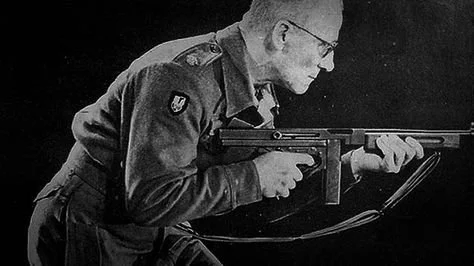
Fairbairn, Shanghai, and the Birth of Modern Combatives
What the world's most influential close-combat instructor learned on the deadliest beat in history, and why it still matters in the first three seconds of a violent encounter.

On the Plural of Anecdotes
How viral videos shape our understanding of what "really works" in self-defense
"The plural of anecdote is not data" a phrase that should be tattooed on every keyboard warrior's typing fingers. Yet in our hyperconnected age of instant video and viral clips, we've somehow convinced ourselves that a compilation of dramatic encounters equals scientific understanding. Every week brings fresh "evidence" of what works and what doesn't in self-defense, delivered in easily digestible video form and shared with the certainty of mathematical proof.

On Habits and Holodecks
Why perfect training can create imperfect responses
We've all seen the footage: a police officer meticulously picking up his spent brass during a gunfight, or a martial artist bowing to their attacker mid-confrontation. These aren't failures of courage or competence they're the inevitable result of how our brains form habits under training conditions that can never fully replicate reality.
The uncomfortable truth is that every training exercise, no matter how realistic, contains built-in limitations that can program suboptimal responses into our muscle memory. Even if we had access to Star Trek's holodeck technology, we'd still face the fundamental problem that our brain knows it's not real.